
Ioannis Siglidis
IIRd, or why data can't tell its own narrative.
Can data tell it's own narrative?
IIRd is a 12h in-situ video installation that follows the Re-LAION-pop (SFW), a subset of popular image categories from LAION-2B, one of the most foundational datasets in open-research and training of today's foundation models.
Starting from a random image: a moleskine-style notebook, the video traverses over the whole dataset by following shortest path hops in embedding distance passing each data point once, while the frame rate is established by the amount of duplicates of the dataset. Embedding distances are computed using three foundational models different at each consecutive day of the show:
1st day: CLIP-ViT-L/14
2nd day: DINO-ViT-L/14
3rd day: SigLIP-2-So/14@384
What emerges is a narrative of association created by the data: for small periods of time the audience experiences short bursts of coherence: "the low dimensional manifold". Yet while everything is a locally coherent (a manifold), nobody has enough time to observe that the totality of association doesn't lead anywhere. Data has lost its history, its agency; it’s identically and independently redistributed. Organizing it only achieves coherence, but doesn’t recover purpose.
IIRd is in direct dialogue with conceptual archival works such as Christian Marclay's The Clock or even Cory Arcangel's Paganini's 5th Caprice, but acting on the inverse direction: instead of taking time as an underlying narrative forming attribute, it shows that a narrative of time or history has collapsed in image association.
Due to its research nature, this work can only be shown at CVPR-art-gallery, which could also serve as a potential opportunity for Computer Vision researchers to experience a manifold they for a long time have been talking about. This project is the first part of a set of upcoming dataset-retrieval works, and the visual inspiration of an upcoming philosophical piece.
The author wants to thank Nico Lang and Giorgos Tolias, for inspiration, discussions, and feedback on the project; a conversation at IMA-NYU Shanghai was foundational, making me realise that unlike a car in traffic, a data-point has no driver; Cezar Mocan for motivating me to publish this and being my friend.
Initial frame.
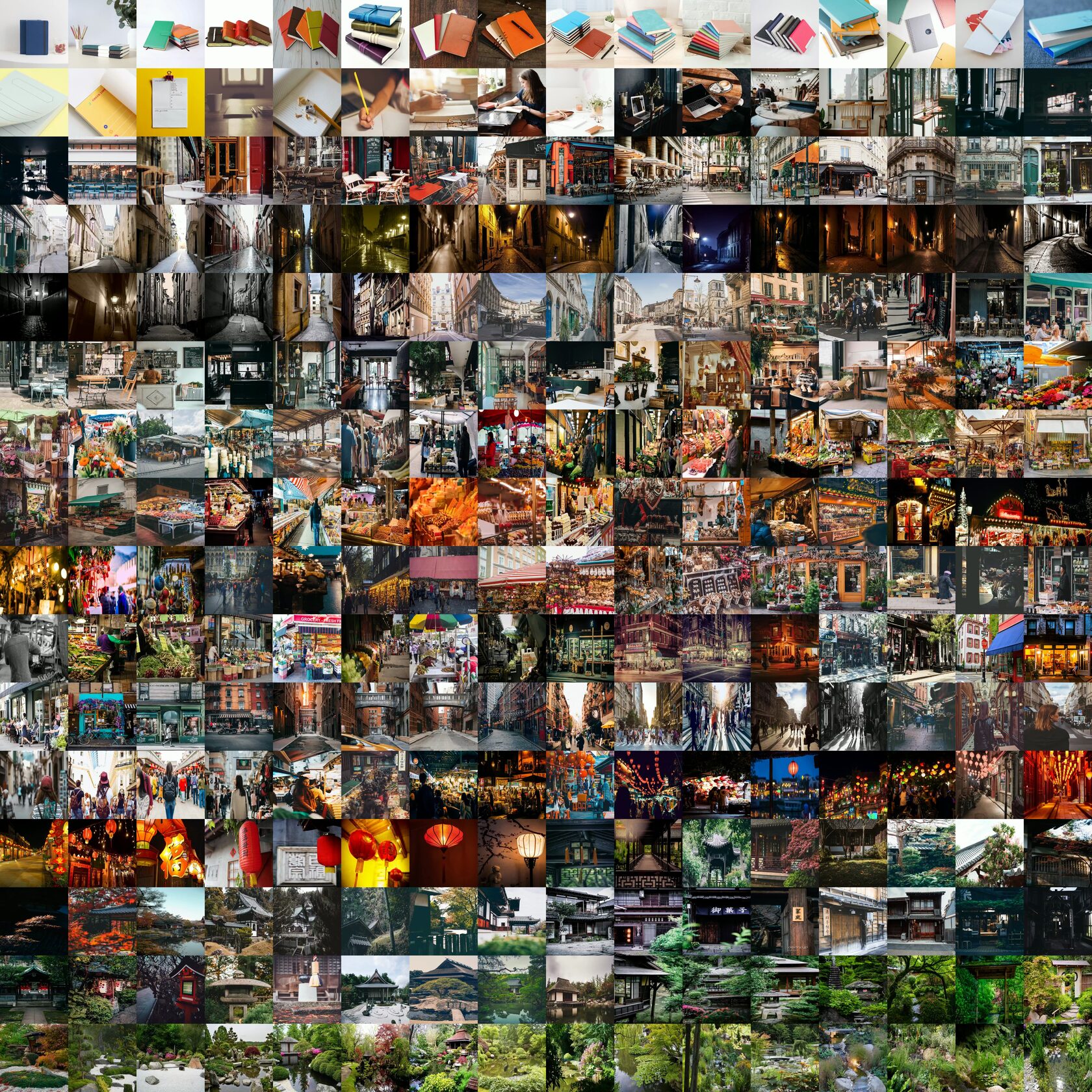
First frames (CLIP-ViT-L/14) #day-1
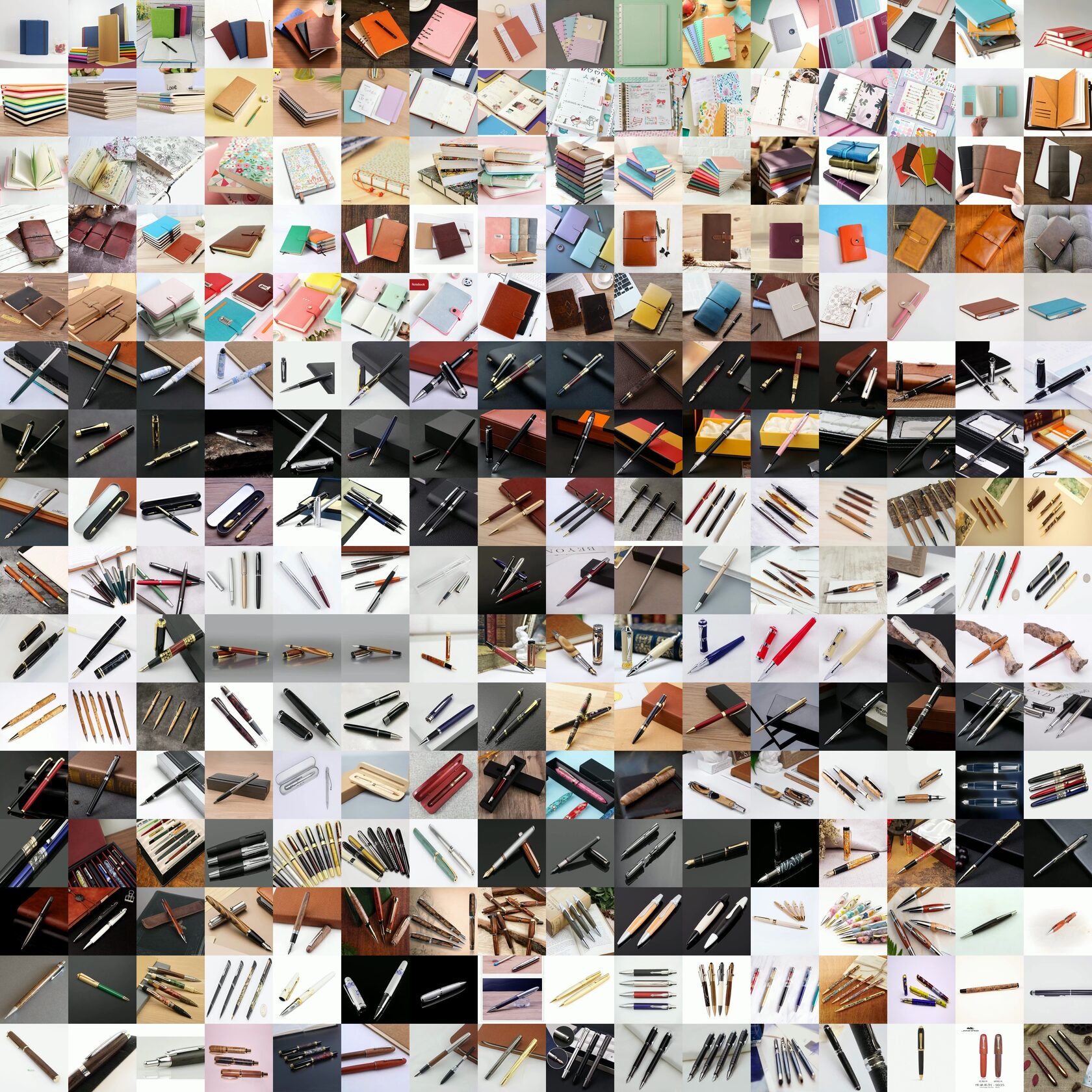
First frames (DINO-ViT-L/14) #day-2
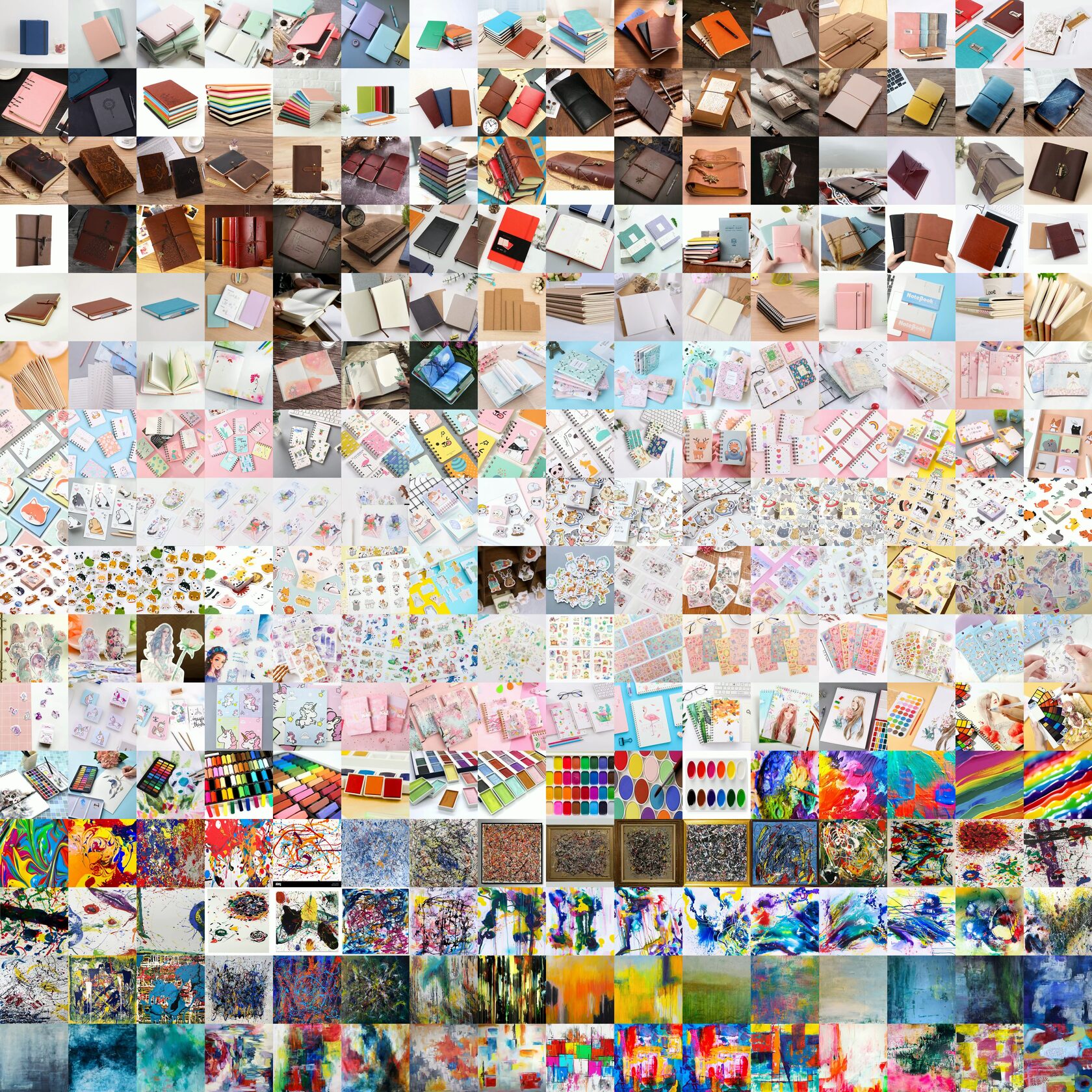
⠿First frames (SigLIP-2-So/14@384) #day-3
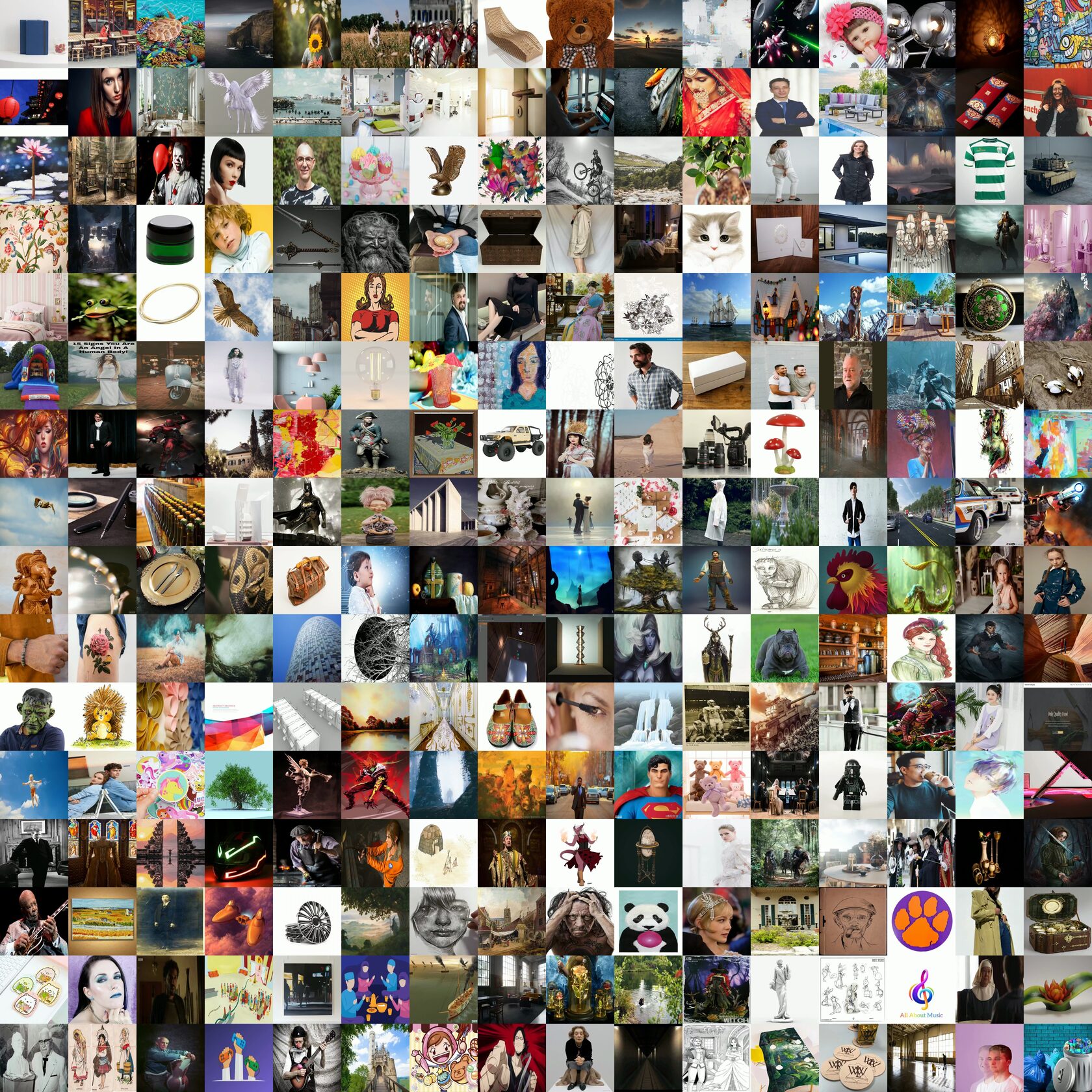
Full trajectory (CLIP-ViT-L/14) #day-1
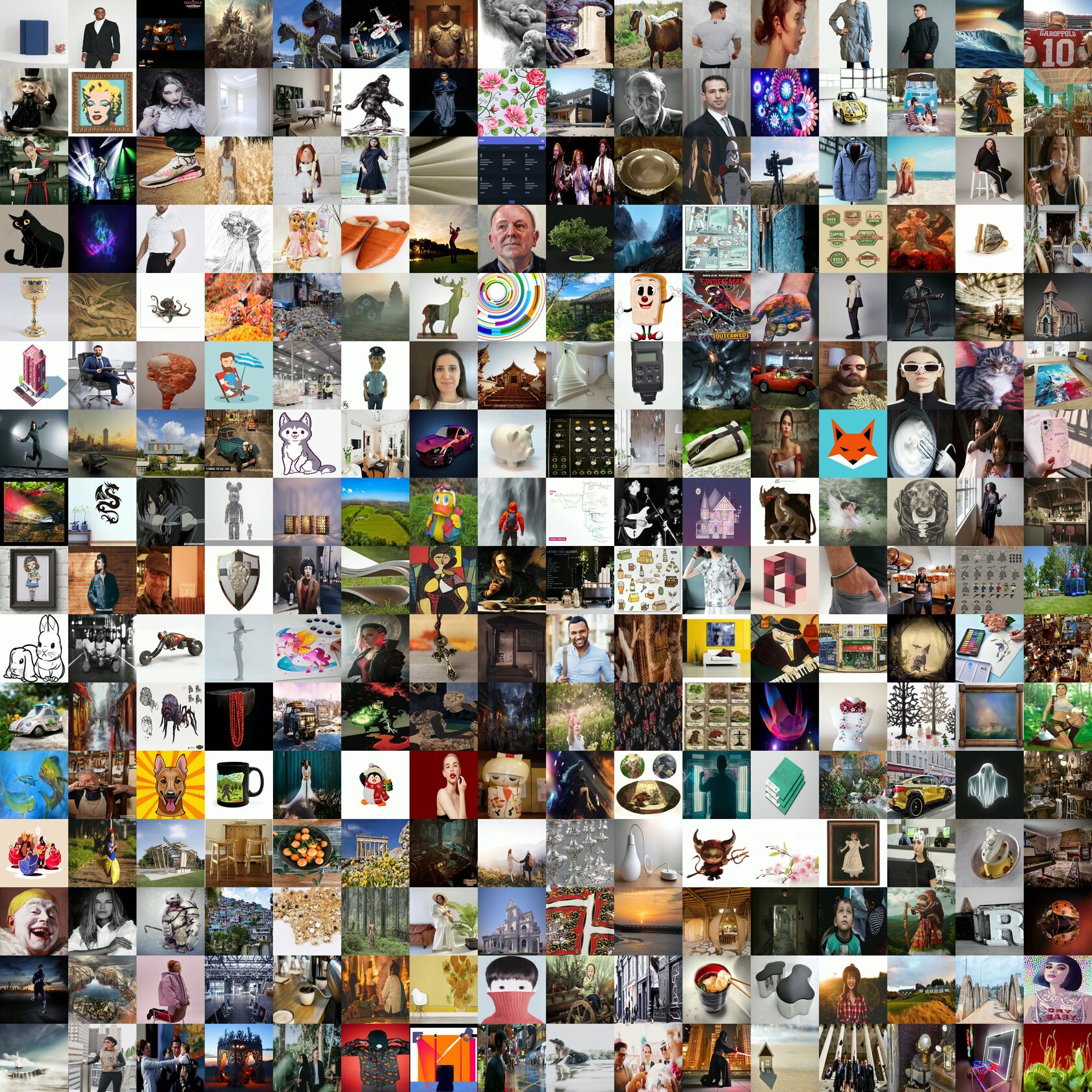
Full trajectory (DINO-ViT-L/14) #day-2
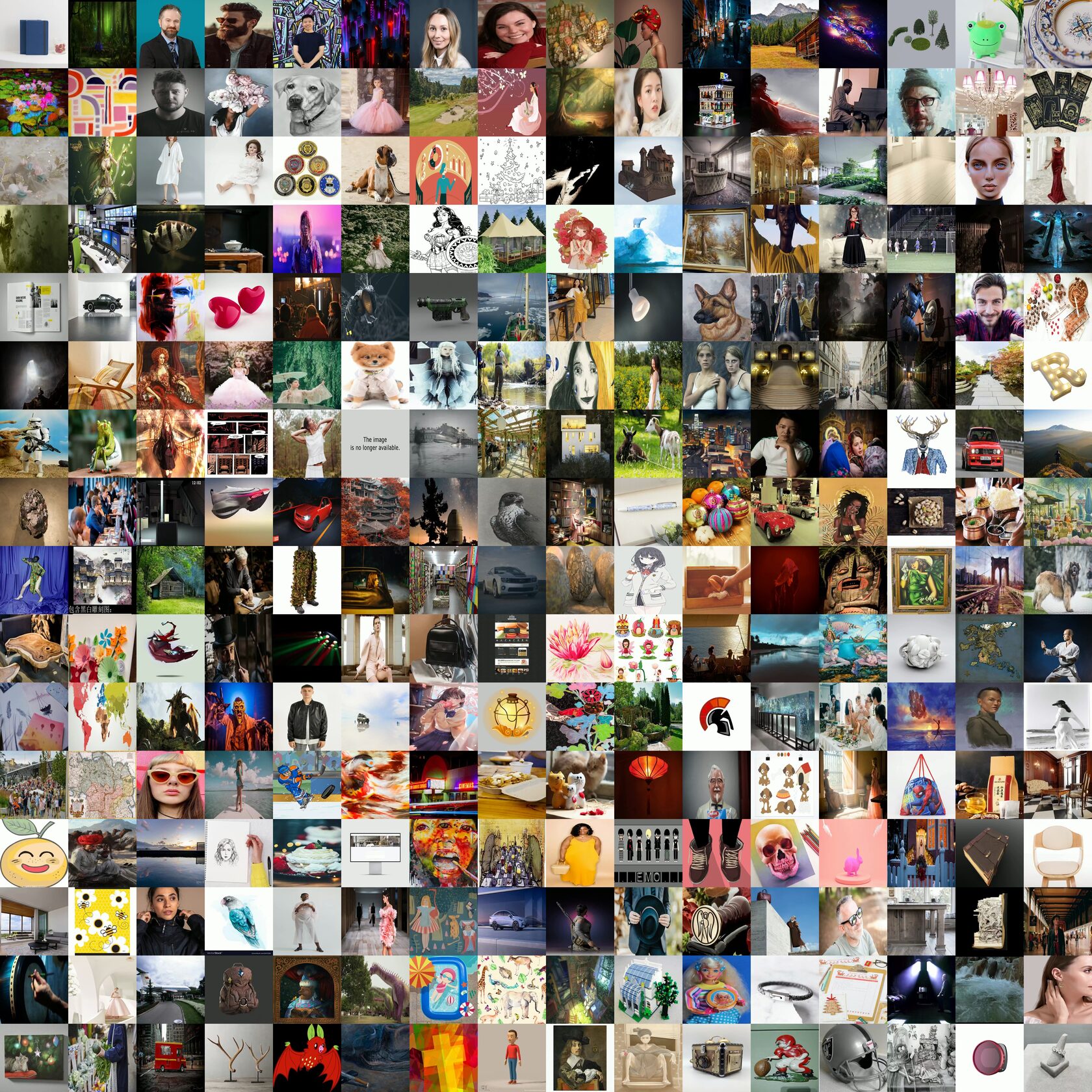
Full trajectory (SigLIP-2-So/14@384) #day-3
Ioannis (Yannis) Siglidis (he/they) is a postdoctoral researcher (computer scientist, artist and theorist) at the Pioneer Center for AI in Copenhagen, working on multimodal narratives, under the supervision of Serge Belongie.